About the project
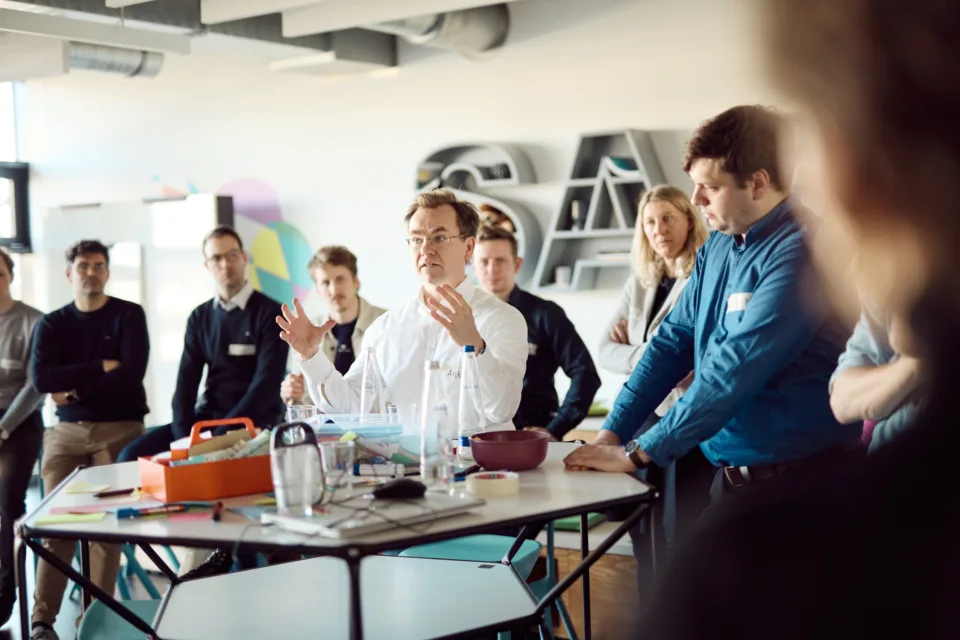
What will tomorrow’s urban charging infrastructure look like? The Digital Hub Mobility explored this question together with partners from industry, academia, startups and the City of Munich as part of the Co-Innovation format citizen mobility. Working as an interdisciplinary team and involving citizens throughout, we developed concepts to improve charging infrastructure for electric cars in Germany’s major cities.
By playing, you agree that content from YouTube will be loaded.
1. The challenge
The number of electric cars is growing rapidly, and the expansion of charging infrastructure is struggling to keep pace. Space is scarce, especially in cities like Munich, and many e-car drivers have no charging option of their own. At the same time, charging points in office buildings often sit unused after working hours. Our question: Can company infrastructure be opened up so that more people benefit from it?
2. Our approach
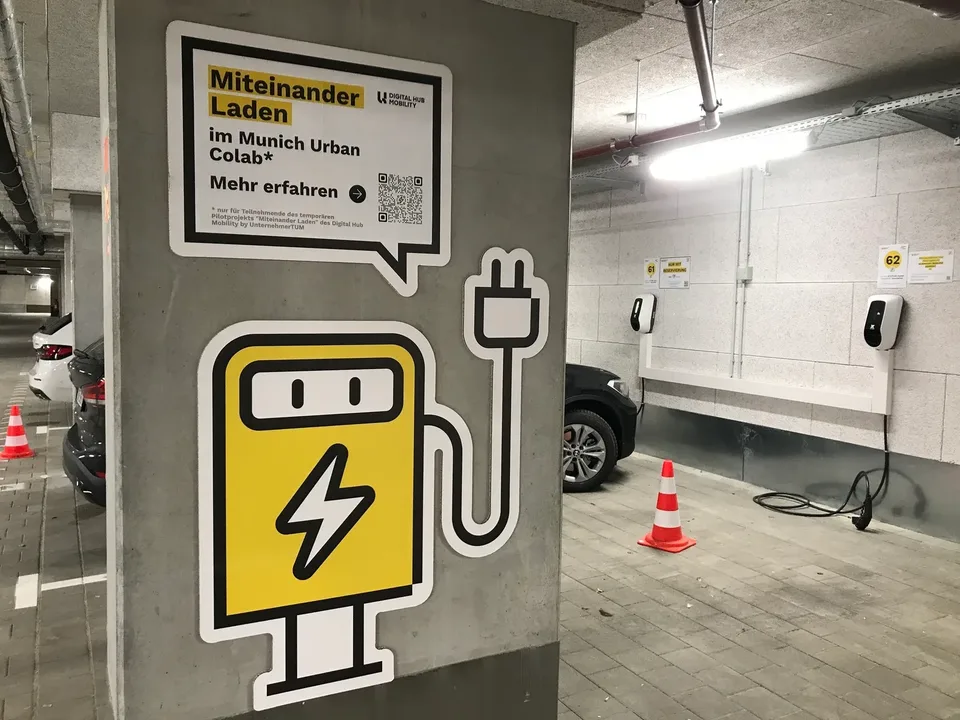
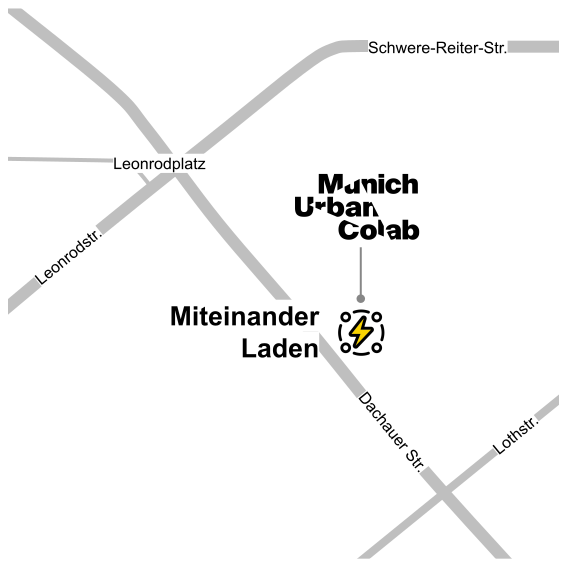
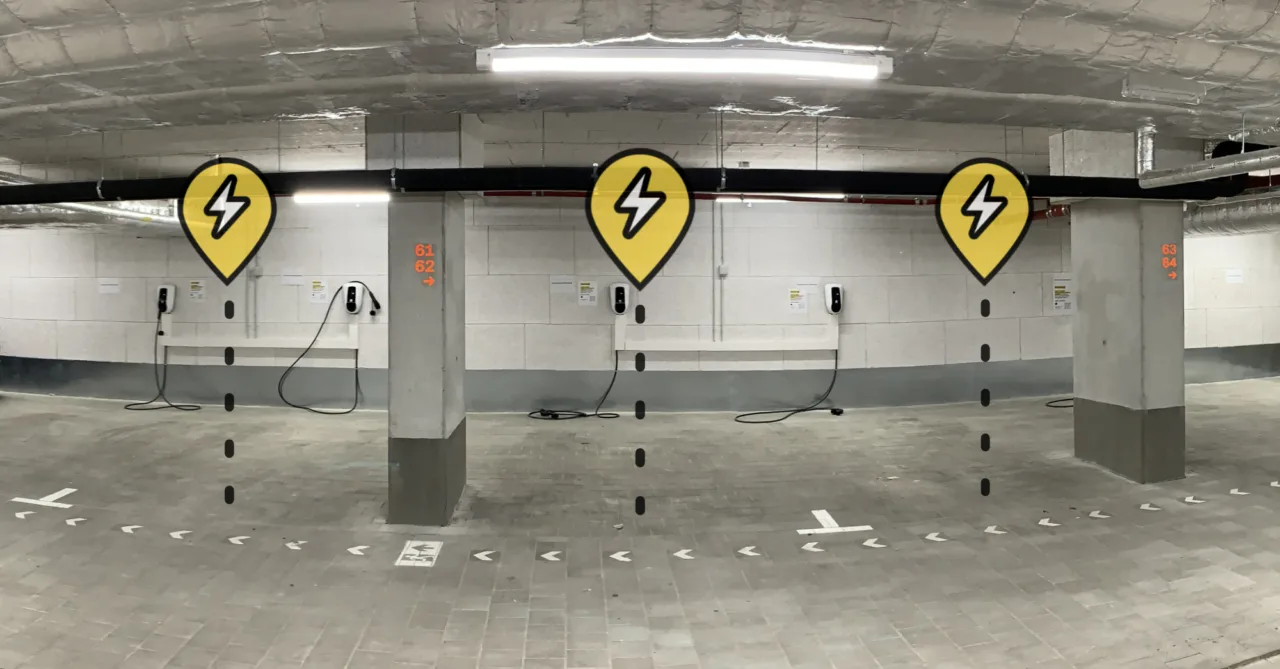
As part of citizen mobility, the Digital Hub Mobility’s experimentation platform, we carried out the pilot project “Miteinander Laden” (Charging Together) with partners from industry, the city and the startup scene. It took place in the underground car park of the Munich Urban Colab, whose charging points had until then been available only to its tenants.
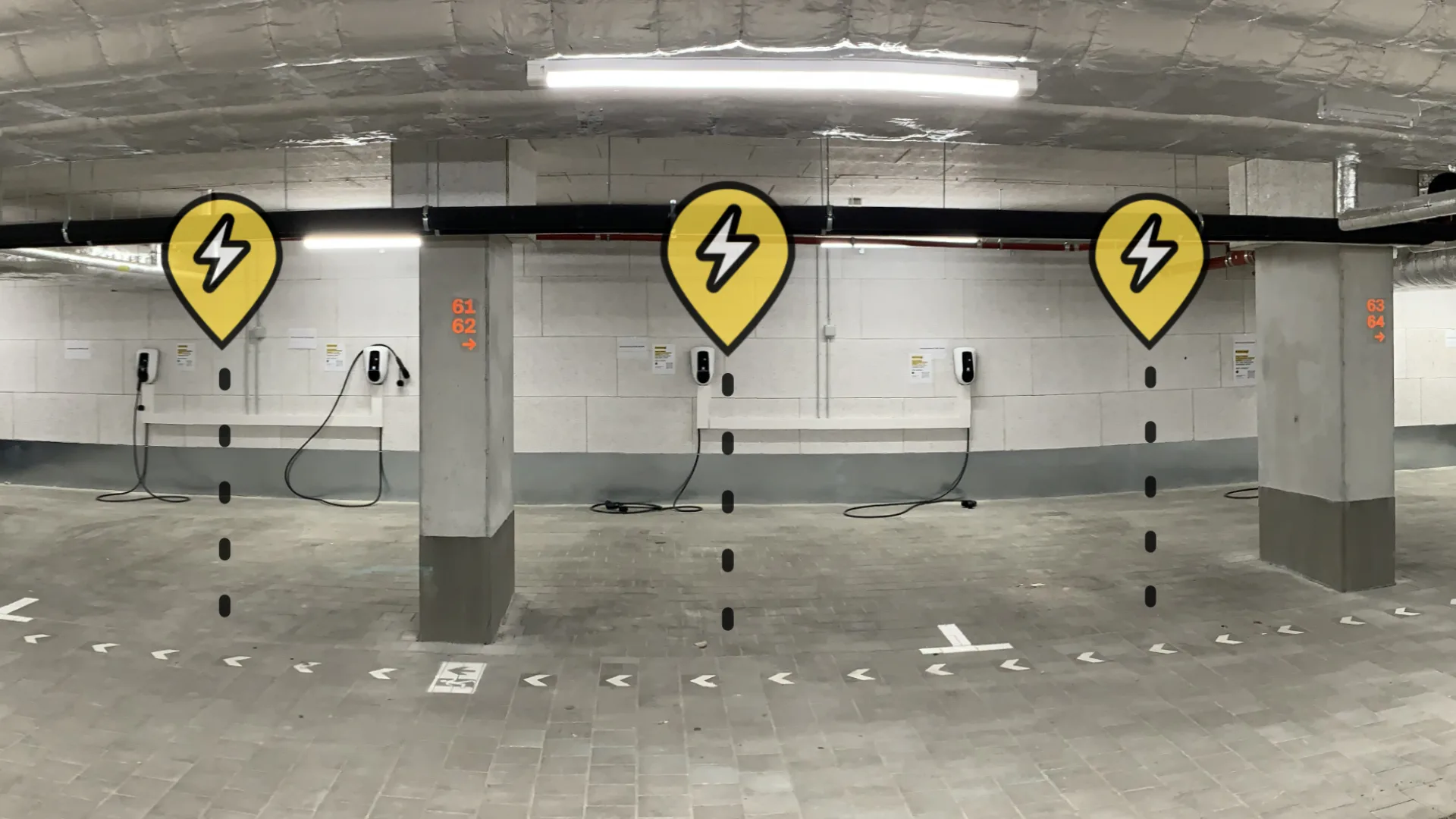
Through our “e-Pioniere” community, we first gathered citizens’ requirements for charging infrastructure and recruited participants from the neighborhood. For the following three months, three to six charging points were available around the clock, free of charge. ChargeX provided the smart multi-charging solution, SAP the backend, and the &Charge app let users reserve spots and coordinate with each other. Throughout the pilot, we evaluated interviews, charging diaries and charging data.
3. Results
43 people took part in the test, around a third of them from the neighborhood. Although the data basis is limited, five opportunities for smart charging management emerged:
- User groups complement each other: Tenants charged during the day, residents almost exclusively in the evening, at night and on weekends.
- Reservations are key: A simple booking system increases utilization and satisfaction.
- Fairness needs incentives: Conflicts arose mainly from blocked spots. Mechanisms are needed that encourage users to free up spots on time.
- Operators need simplicity: Billing and the legal framework must be straightforward, and priority groups must be able to charge at any time.
- Space is used more efficiently: Cities can expand charging options without taking up additional public space.
4. Outlook
The pilot project shows that shared charging infrastructure is an important building block for e-mobility that works in everyday urban life, while also creating room for new business models. The findings are feeding into the planning of the City of Munich’s Mobility Department. With the follow-up project Trusted Green Charging, we are taking the approach further.
Our project partners
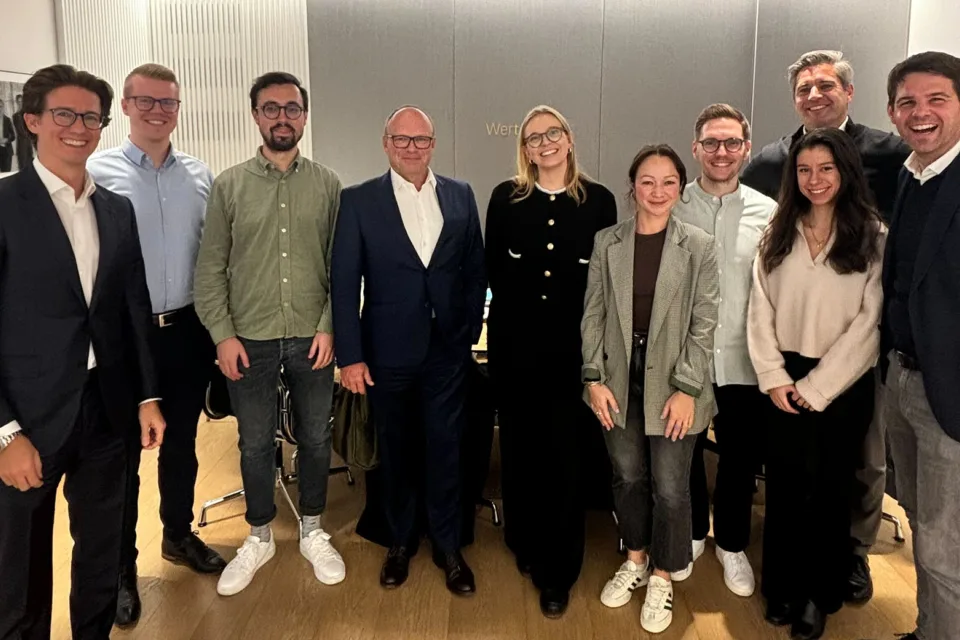
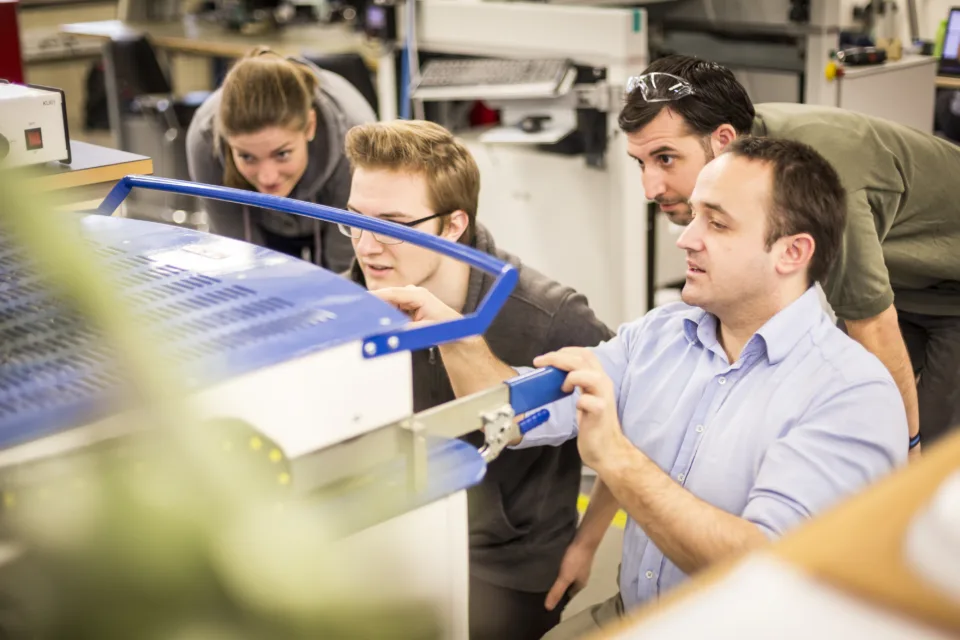
We are an interdisciplinary team of experts from the mobility industry and academia, young founders and members of the city administration. Our goal is to learn from experiments and develop new solutions for sustainable mobility in a livable city.