Batteries are at the core of a stable energy future. As Germany expands renewable energy capacity and electrified mobility, the demand for battery cells is projected to surge from today’s 22 GWh to 125 GWh by 2030. Yet the country still imports three times more batteries than it produces, despite hosting strong cell manufacturing suppliers, gigafactory activity, and Europe’s most vibrant battery startup ecosystem — accounting for 35% of all battery startups on the continent.
The challenge? The landscape remains stable but fragmented, and early-stage battery deeptech teams face a unique set of scientific, industrial, and scale-up hurdles.
At TUM Venture Labs ChemSpace and Climate / Circular, this pattern grew increasingly evident. Several early-stage projects were pushing boundaries in battery materials and energy storage — and among them was Qkera, developing next-generation solid-state electrolytes for greener, safer, high-performance batteries. Qkera’s rapid progression underscored a broader need: a dedicated incubator tailored specifically to battery innovation.
Qkera: Powered by an ecosystem for deeptech breakthroughs
Qkera’s scientific journey began in 2018 at MIT, when the core technology was first explored by Prof. Dr. Jennifer Rupp. In 2022, the work transitioned to TUM, laying the technical and entrepreneurial foundation for what would become one of Germany’s most promising battery ventures.
By January 2024, Qkera officially incorporated — marking the start of its entrepreneurial chapter, and joined TUM Venture Labs Circularity. Shortly after, in March 2024, the team joined both XPRENEURS and TUM Venture Labs ChemSpace, gaining access to expert guidance, infrastructure, and mentorship.
Their momentum continued: by July 2024, Qkera secured funding from UnternehmerTUM Funding for Innovators and several business angels, and welcomed Martin Goetzeler (former CEO of OSRAM, Aixtron, and dSPACE) to its advisory board.
In February 2025, Qkera joined the EIT Manufacturing Venture Building Programme — coinciding with the official opening of the Battery Startup Incubator, where Qkera’s founder, Jennifer Rupp, stepped in as an advisor.
The journey reached another milestone in October 2025, when the startup closed a seven-digit pre-seed round with InnoEnergy, reinforcing its position as a rising leader in the European energy storage landscape.
Qkera’s trajectory — alongside other promising startups such as Limatica, Litricity, and Manugy — made one thing unmistakably clear: battery ventures require tailored support, specialized infrastructure, and a network deeply embedded in energy storage industries.
Introducing Germany’s dedicated battery startup incubator
The Battery Startup Incubator emerged to accelerate battery startup projects across Germany, covering the entire battery supply chain and industries. This is the first-of-its-kind offering within the TUM Venture Labs, aiming to support startup projects nationwide and across the entire battery value chain, backed by the BMFTR and supported by TUMint.Energy.
The Battery Startup Incubator now stands as Germany’s dedicated launchpad for early-stage battery innovation, strengthening the national energy storage landscape and ensuring that world-class science — like Qkera’s — reaches commercial impact faster.
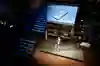
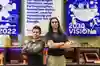
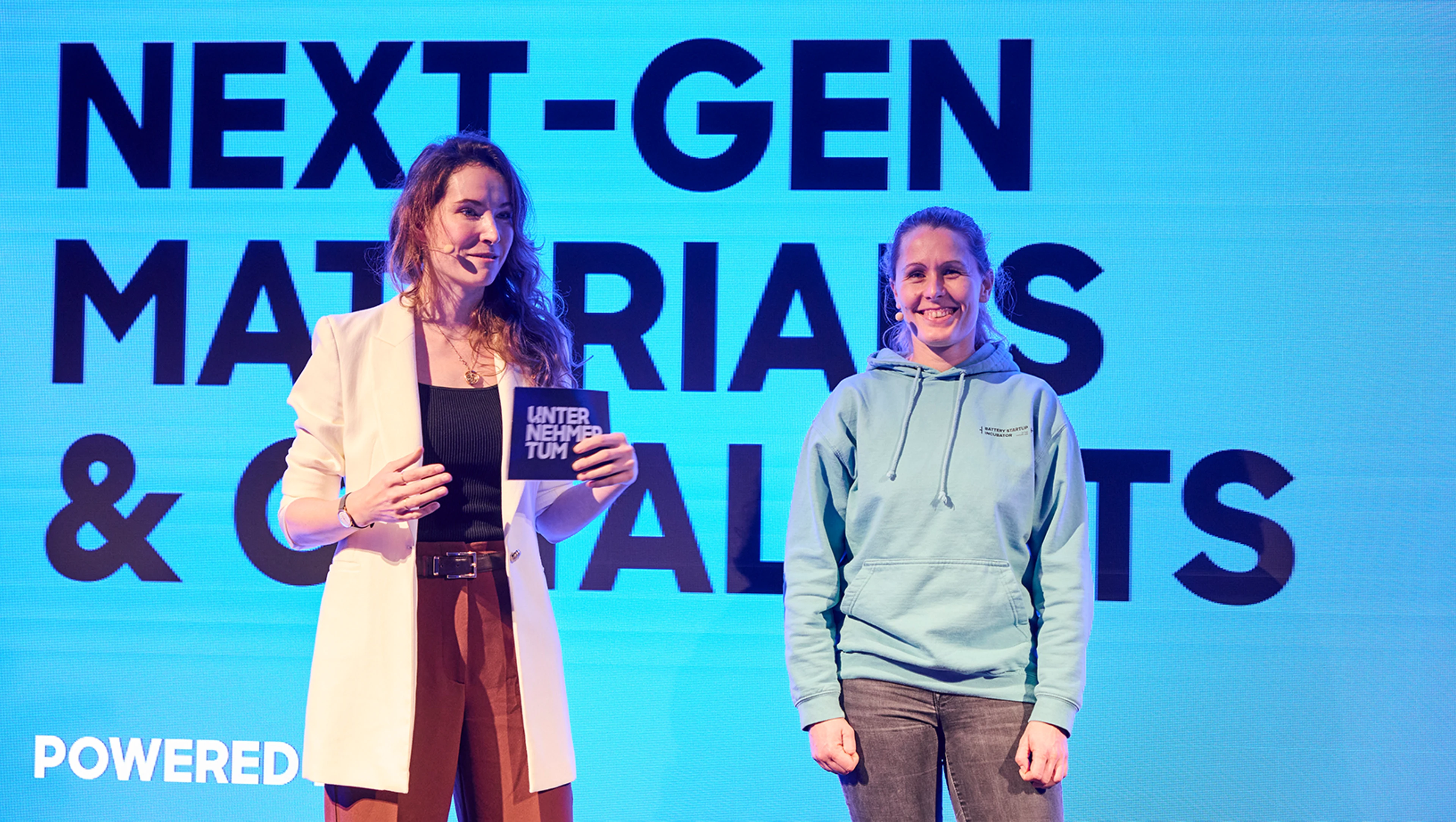
The official introduction of the Battery Startup Incubator took place at the Ultimate Demo Day, one of the flagship events of the UnternehmerTUM ecosystem. There, Tanja Zuend, Head of the Battery Startup Incubator, together with advisor Sabine Oldemeyer, presented BaStI to startups and ecosystem stakeholders by opening the Pitch Session for Next-Gen Materials & Catalysts—marking the incubator’s public launch and its commitment to powering the next generation of battery and materials innovation.
If you are a scientist, founder, or early-stage team working on battery-related technologies and looking to become part of this growing ecosystem, we invite you to apply via the TUM Venture Labs platform and select ChemSpace. Let’s accelerate battery innovation together. Find out more here.